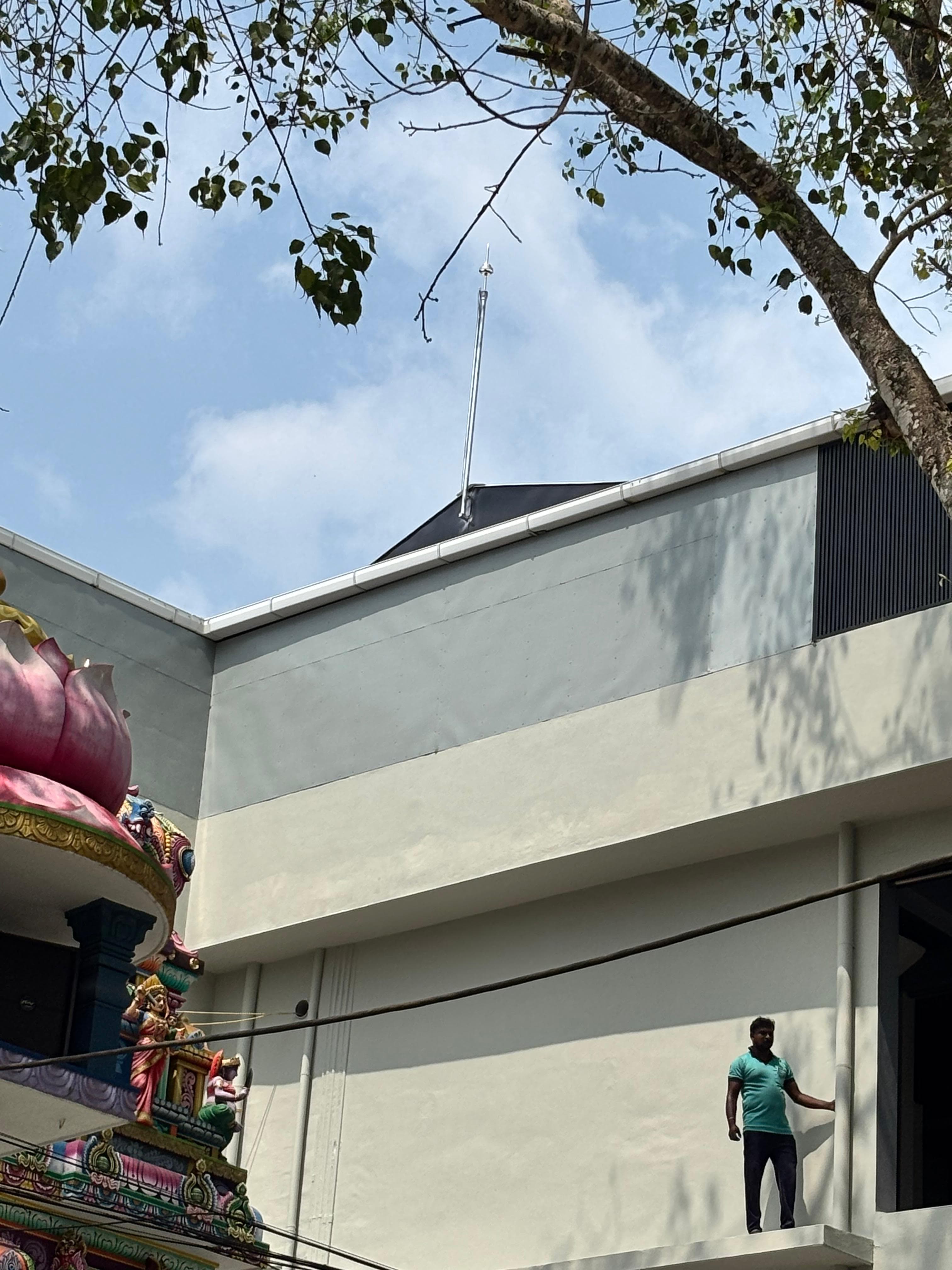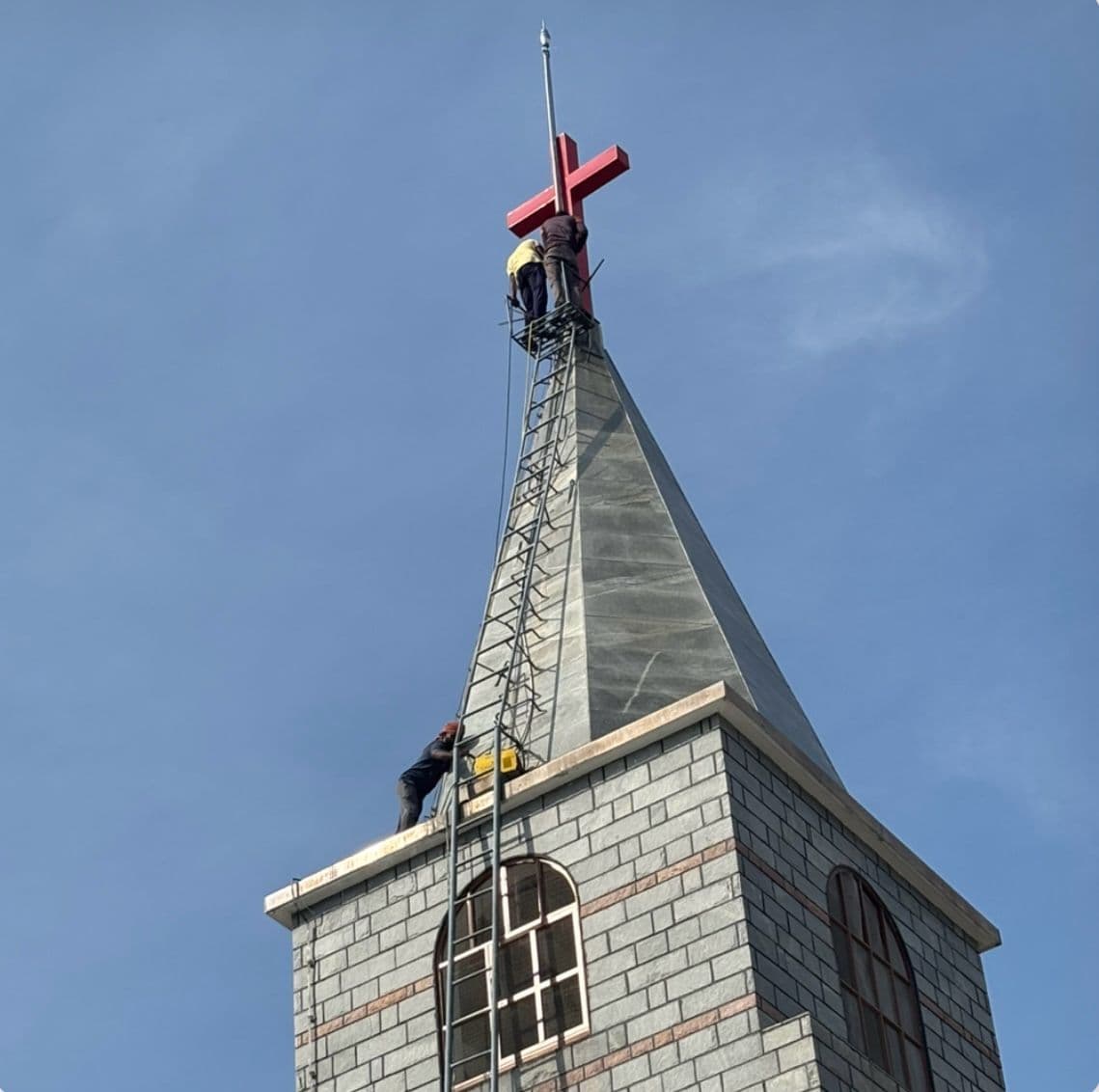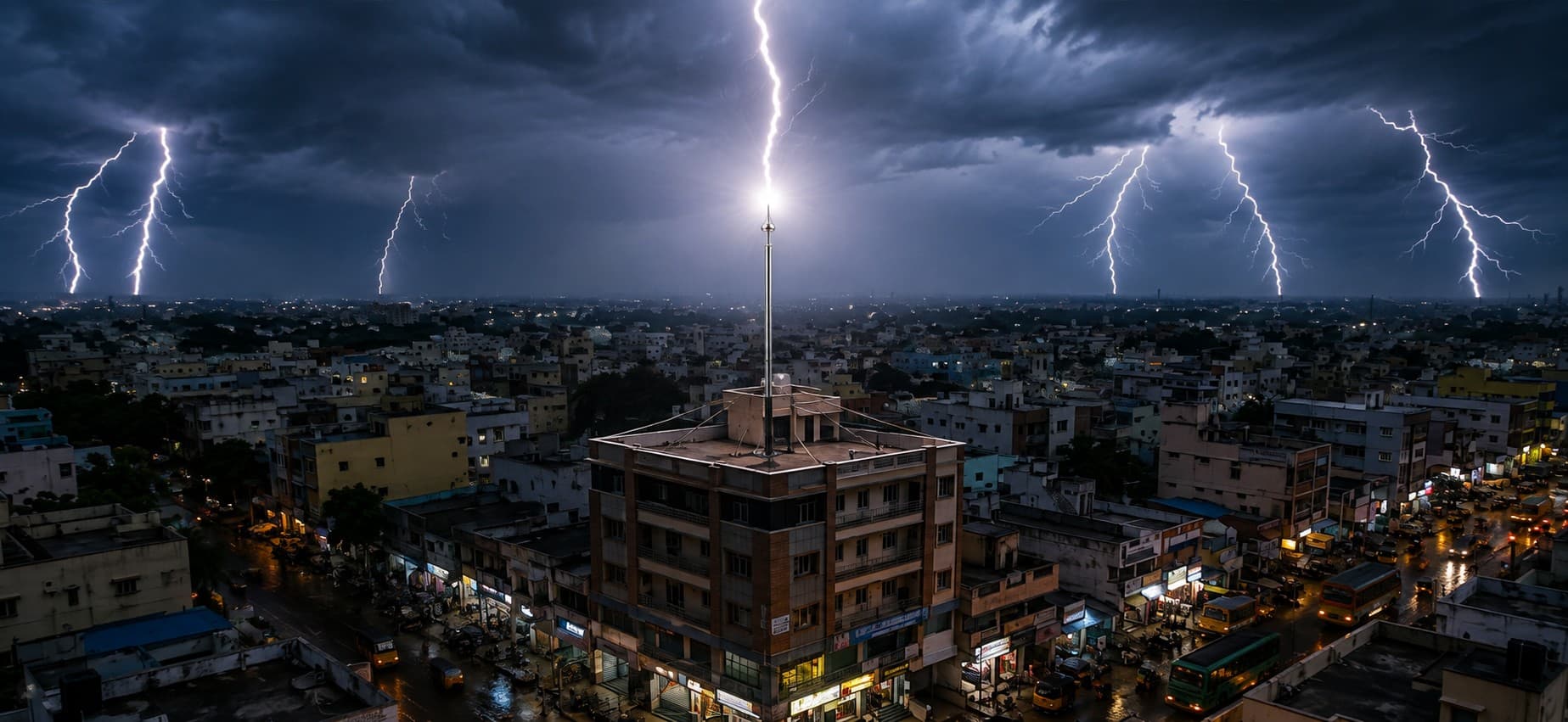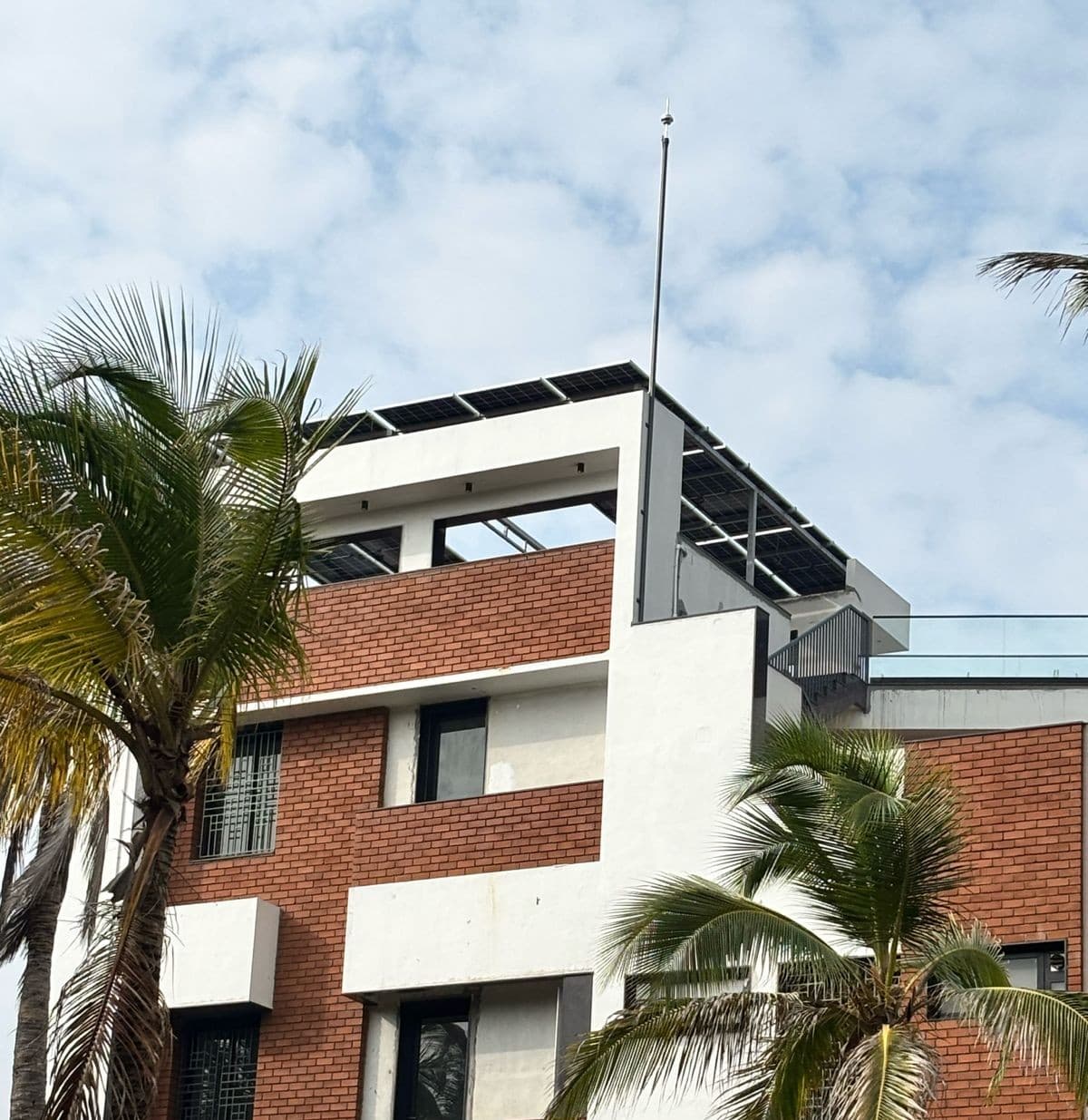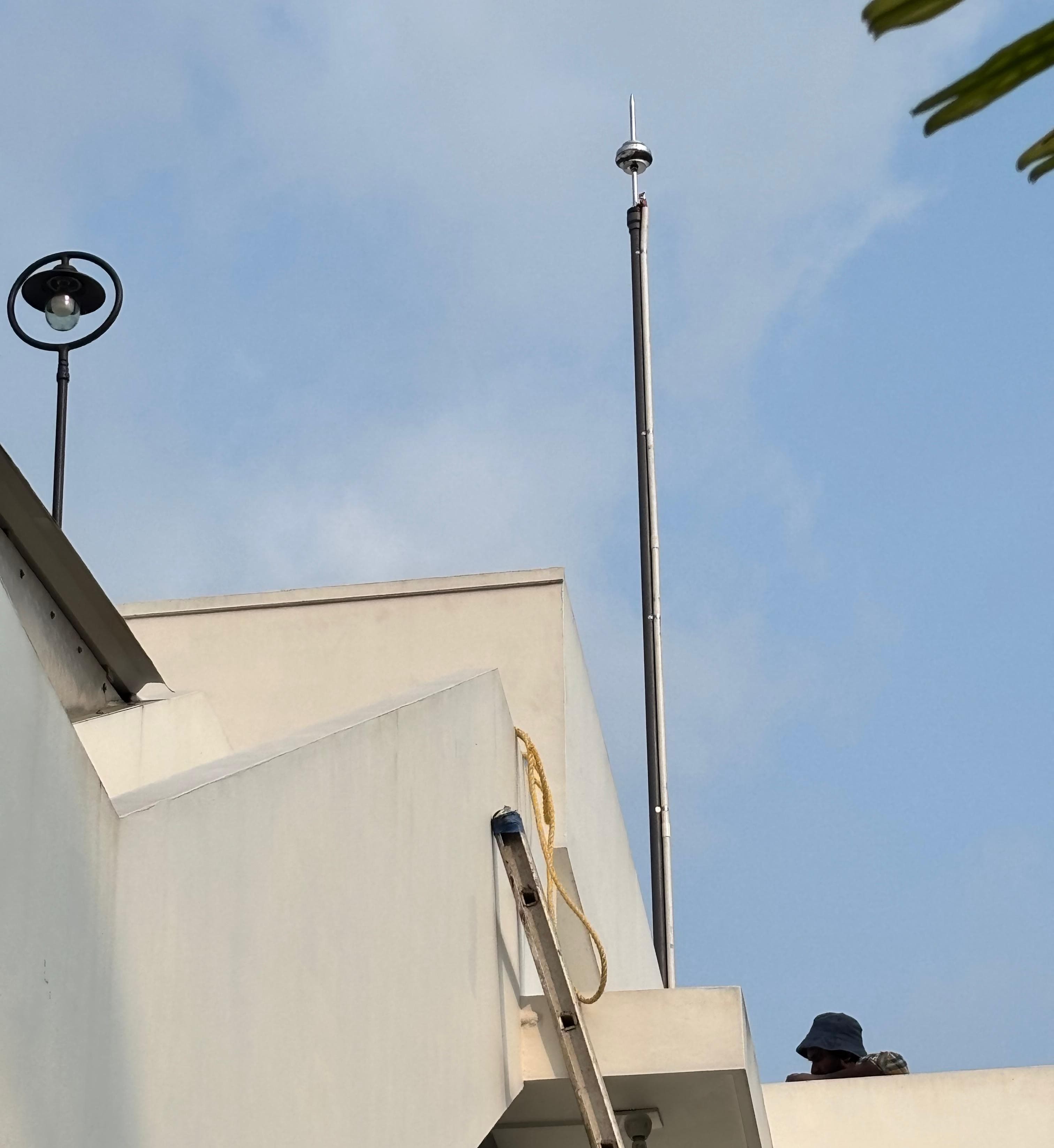
What is a lightning arrester?
A lightning arrester — also called a lightning conductor, lightning rod or air terminal — is the top part of an external lightning protection system. It intercepts a lightning strike and carries the current safely through down conductors into the earthing system, so the strike does not pass through the building structure, its wiring or the people inside.
A lightning arrester only works as part of a complete system: the air terminal, the down conductors, a low-resistance earthing system and surge protection devices for the electrical installation. Henel Engineers supplies and installs every part of that system.
Types of lightning arrester we supply
We supply and install two families of lightning arrester. The right choice depends on the size of the structure, the area to be protected and the protection level required by the risk assessment.
- TOPBAS SIRIUS ESE lightning arrester — non-electronic, ΔT 60 μs, protection radius up to 107 m (5 m mast, Level IV), 304L stainless steel, tested at 200 kA (10/350 μs).
- UMBRAECO ESE lightning arrester — non-electronic, ΔT 10 µs, protection radius up to 51 m (Level IV), CE certified, no battery or external power required.
- Copper bonded conventional lightning arrester — copper, 100 kA rating, 5-metre protection radius, made in India.
ESE or conventional — which lightning arrester do you need?
A conventional (Franklin rod) lightning arrester protects a small area around its tip, so larger roofs need several rods and more conductors. An ESE lightning arrester launches an upward streamer earlier and protects a much larger radius from a single mast — up to 107 m for the TOPBAS SIRIUS at Level IV — which makes it practical for factories, campuses, warehouses and tall buildings.
For small structures or a single point, a conventional arrester can be enough. We recommend the type and number of arresters after a site-specific risk assessment and zone-of-protection calculation.
How we install a lightning arrester
Every project follows the same end-to-end process, from initial site assessment through supply, installation and ongoing maintenance.
- Site assessment and lightning risk assessment
- System design to the applicable standards, including zone-of-protection calculations
- Supply of the arrester, mast, conductors, clamps, test joints and accessories
- Installation of the air terminal and down conductors
- Earthing system with earth electrodes and earth pits
- Surge protection devices at electrical panels